
Seaweed as a Lawn and Garden Fertiliser: The Benefits and Uses
Seaweed is largely under-appreciated in the gardening world, classed merely as a soil conditioner or a fertiliser. Its benefits are so extensive, though, that it really should be given top billing in any maintenance programme for lawns, fine turf or garden plants.
Some of the links in this article go to Amazon or to our own shop. If you buy through them we may earn a small commission, at no extra cost to you. I only point you at products I would be happy to use myself.
Seaweed contains over sixty minerals and trace elements, along with numerous biostimulants, and it also contains iodine, which is an excellent disease suppressant. I first learned what it could do during my years as head greenkeeper at Lahinch, on the west coast of Ireland, where the sea supplied it by the tonne — and I have used it on fine turf ever since, right through to the bowling and golf greens I have built and managed in Scotland. As you can probably tell, I’m a bit of a fan of our sea-borne, slippery friend, and no wonder. All of the above reasons make seaweed a top-class supplement for both grass and garden.
The Wonder of Seaweed in Your Garden
Seaweed can be used as a fertiliser or soil conditioner in many different forms, for example:
- Seaweed can be dug into your soil in its raw form, straight from the beach
- Seaweed can be dried and either granulated or powdered (sold as seaweed meal)
- the goodness can be extracted from seaweed to form a concentrated seaweed liquid.
In modern fertiliser use, liquid seaweed makes a highly efficient base for the nutrition of a wide variety of plants. This is because it can be safely mixed with most of the commonly used sources of nitrogen, phosphate and potassium, along with supplements like iron. The seaweed stimulates the soil bacteria which, in turn, help to release much of the nutrient content. In many cases these nutrients are locked up in the soil and not available to plants, whether you’re feeding grass, tomatoes, vegetables or flowers. Seaweed combats this, helping you to make the most of any nutrients being applied and reducing the quantity required for healthy growth.
To add to the list of benefits, seaweed is also valuable in helping to break down organic matter. This is a particular benefit when treating turf, where thatch can be a serious problem if not managed properly — it’s one of the reasons I consider it an essential part of fine turf maintenance. Finally, as if we haven’t heard enough about the wonders of seaweed, it’s also a very high quality food supplement for both animals and humans. But let’s not get greedy — before we go and eat up our entire supply, let’s first deal with its uses and benefits on our lawn and garden.
Seaweed Fertiliser: Discovering the Benefits
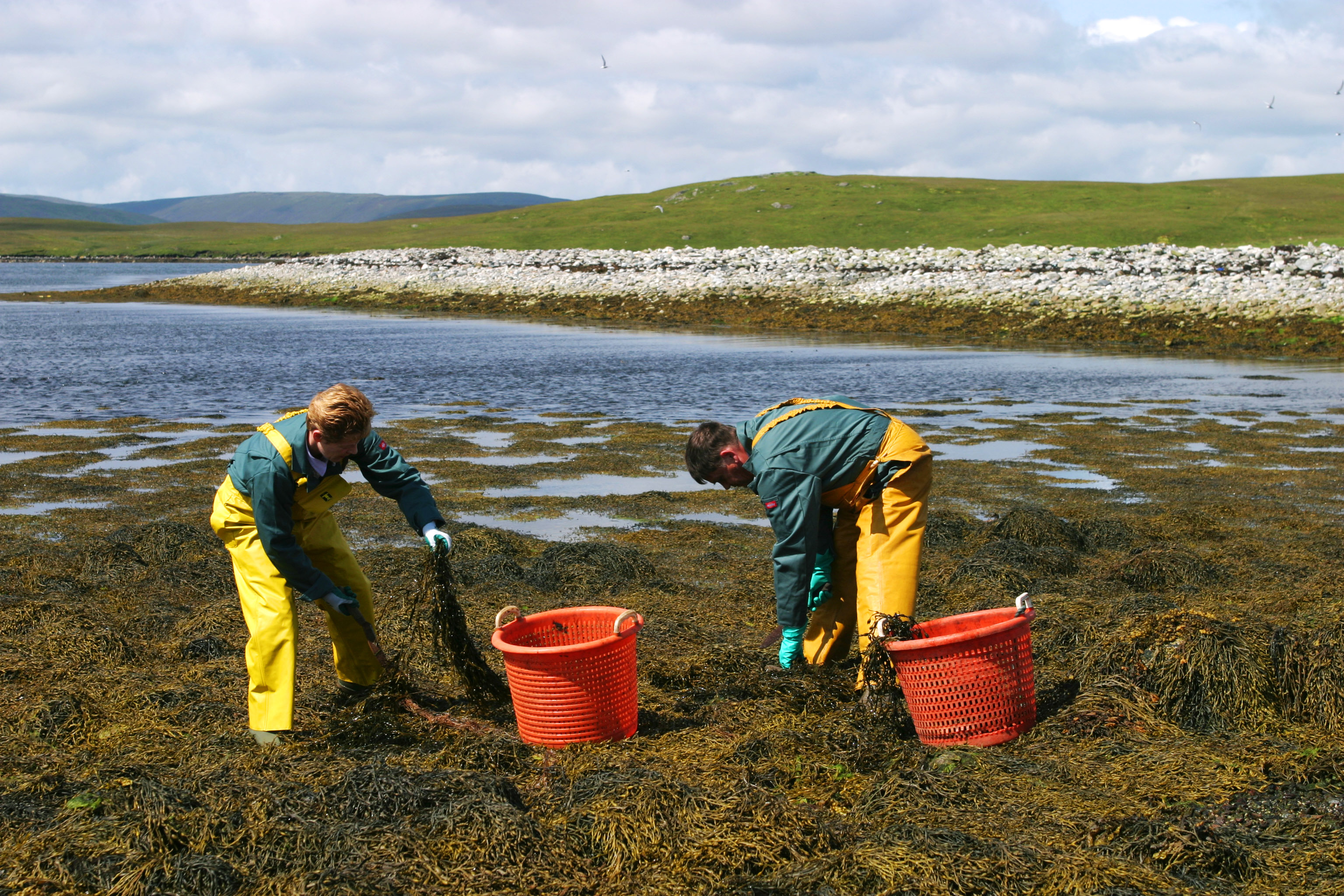
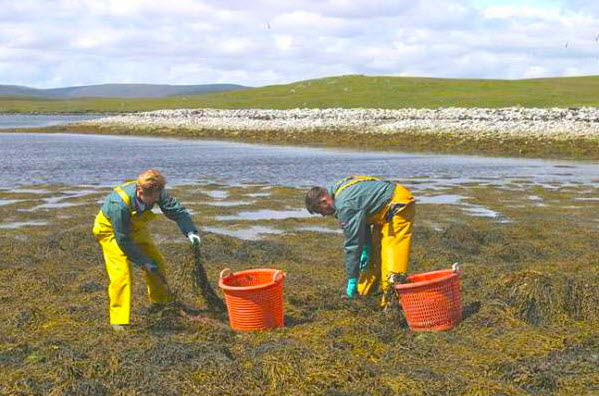
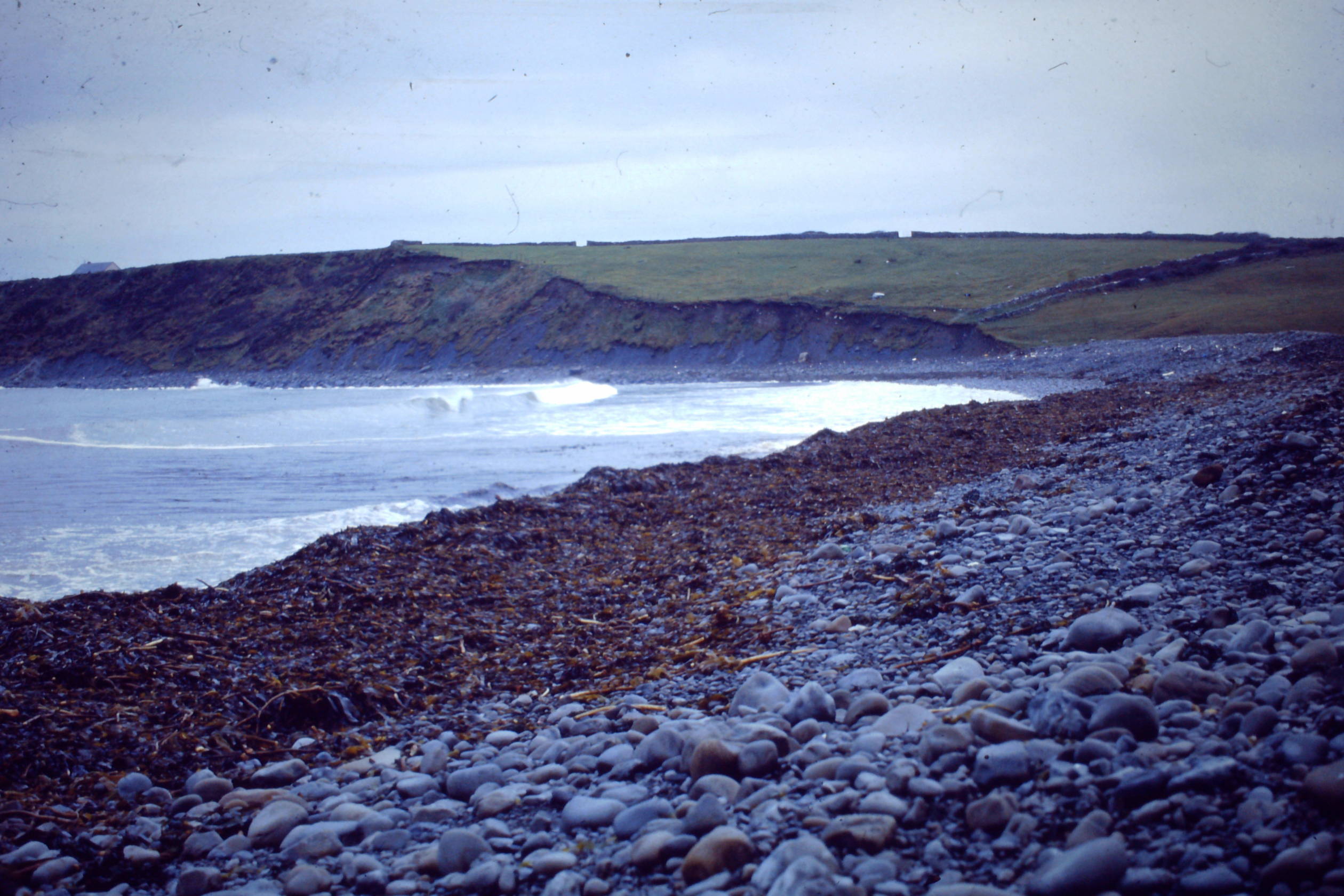
The benefits of using seaweed on plants were first discovered many years ago by farmers living and working beside the sea. They would harvest the seaweed from the shore as it was washed in by storms, then spread it on the land prior to planting the crops. The benefits were particularly noticeable on potatoes, always susceptible to disease, as the fields treated with the seaweed consistently produced better crops with very clean skins.
One side effect of seaweed use was the presence of a very distinctive flavour in the potatoes, something quite noticeable when compared to normal potatoes. This is no longer an issue, though, now that growers have access to very easy-to-apply granular fertilisers. This variation of the seaweed fertiliser doesn’t have the same side effect, the strange taste disappearing during drying or granulation.
The seaweed fertiliser was also found to improve soil quality over a number of years. This is now known to be because the alginates act as a flocculant, breaking down heavy soils into a crumbly, free-draining material. Conversely, almost fifty percent of seaweed’s constituents are humus-forming, so light sandy soils become more fertile and less prone to drought damage.
How Can Seaweed Help Your Garden?
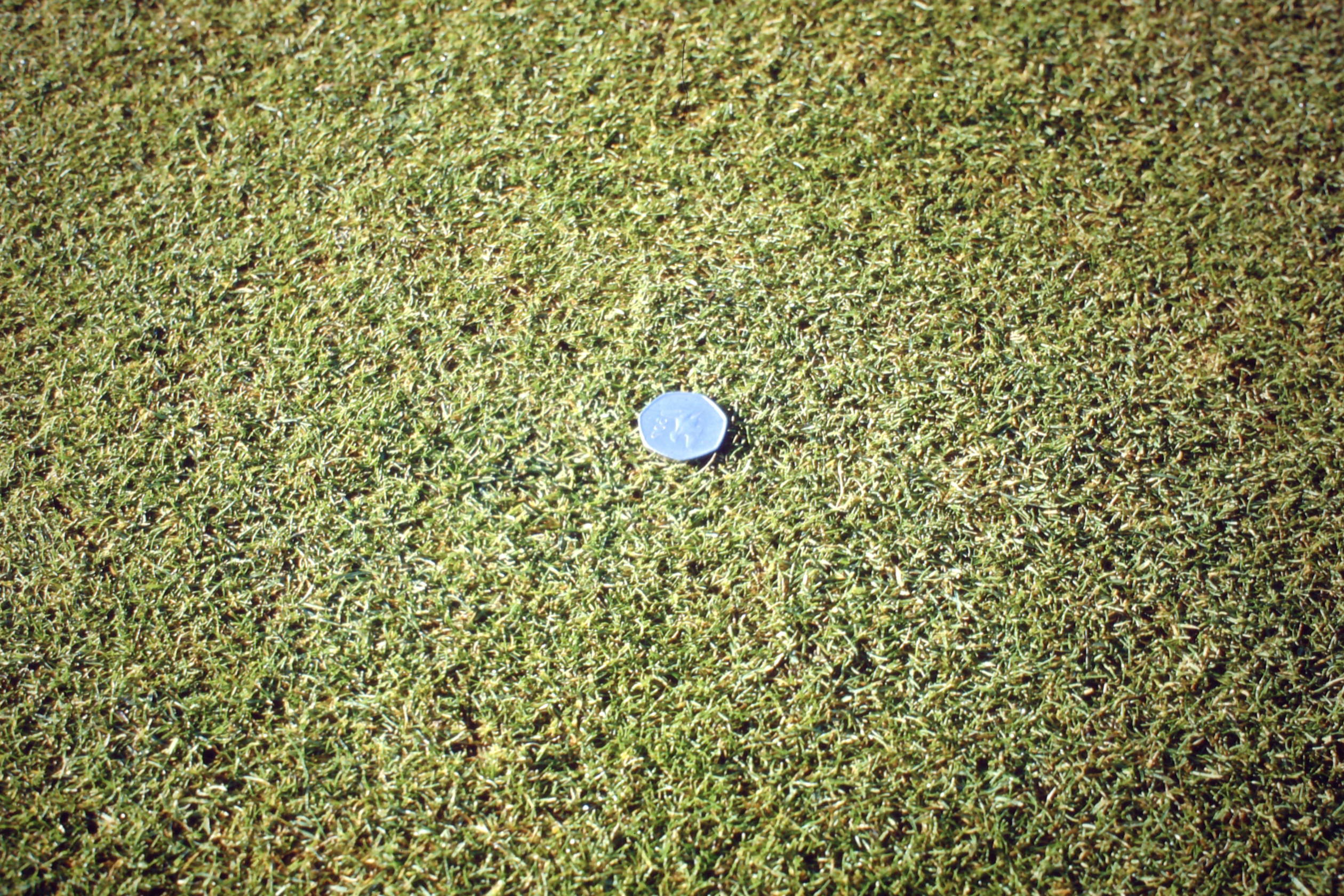
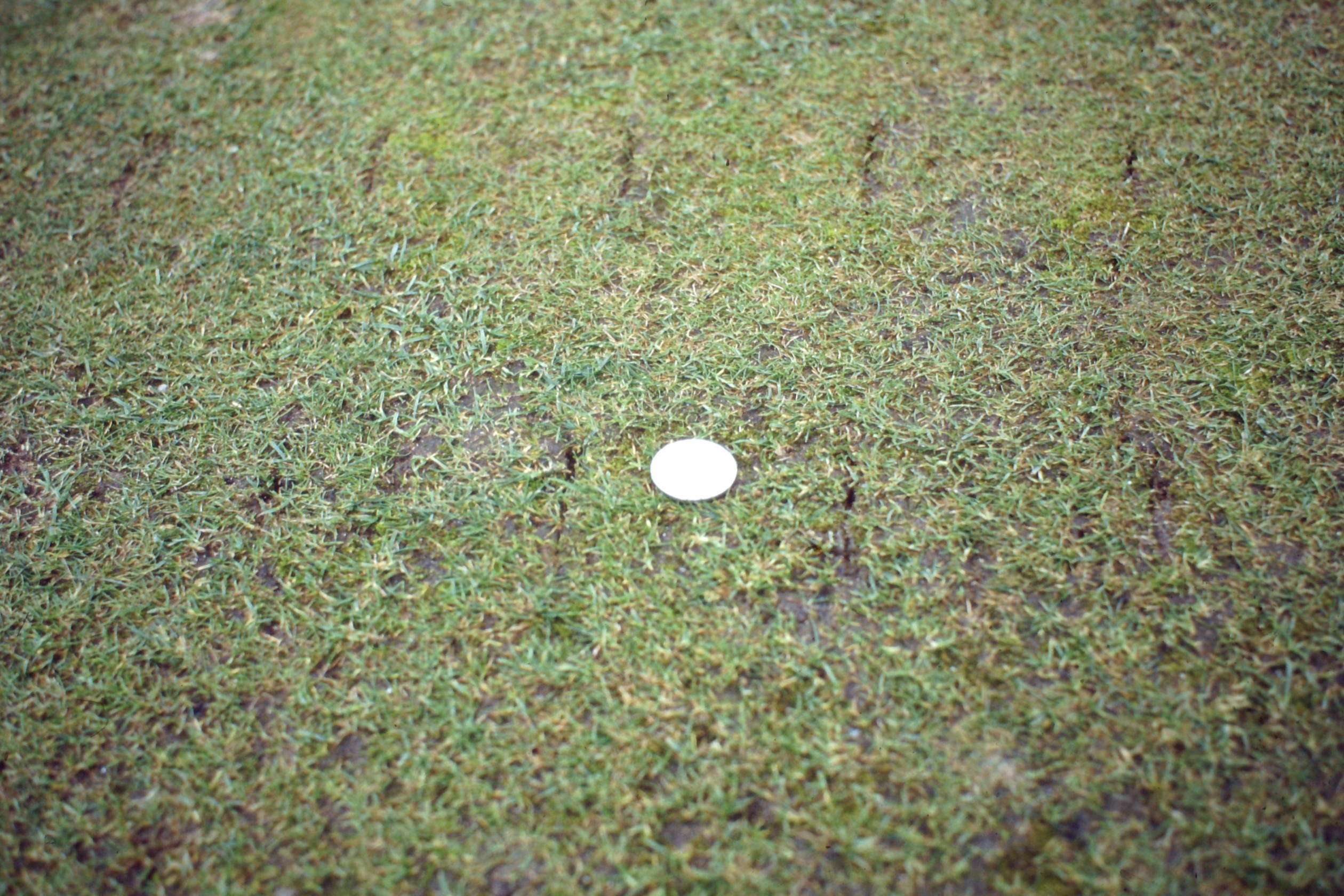
As you will see from the pictures above, seaweed can work wonders for your garden in many different ways. The following are examples of how seaweed can help you in your garden:
- Flowers tend to produce more vibrant colours with an application of seaweed
- Vegetables produce healthier, disease-free crops
- Seaweed-treated grass will be greener and produce a healthy, dense sward, providing other maintenance work is carried out correctly
- Seaweed helps to prevent club root and blossom end rot
- Seaweed will prevent blight and scab on potatoes
- Dusting plants with seaweed powder deters blackfly and greenfly
- Carrots dusted with seaweed powder seldom suffer damage from carrot fly
On fine turf, seaweed also earns its keep in dealing with specific problems: I have used seaweed meal as part of the programme for curing dry patch and compaction on a bowling green, where its water-holding, humus-forming character makes a real difference on droughty, thatchy surfaces.
Applying Seaweed Fertiliser to your Garden
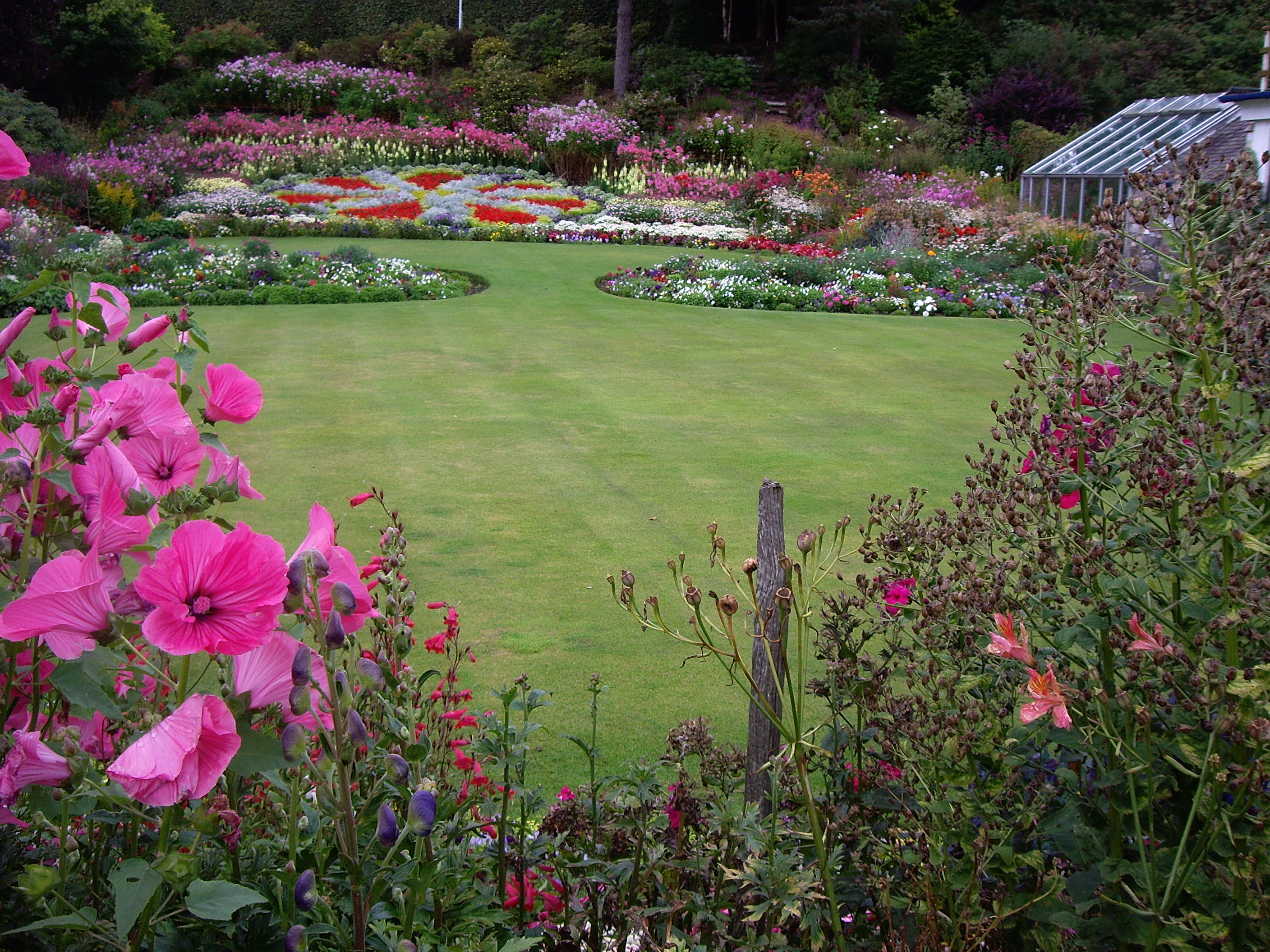
If you are lucky enough to have access to fresh seaweed, it can be spread straight onto the garden. Although it can be dug into the drills fresh with potatoes, the best way is to collect it during autumn and winter, when stormy seas will provide you with ample material. Then you can spread it onto the surface of the vegetable garden, where it will break down a little over the cold season, suppressing weeds as an added bonus. When spring comes around, you can dig the material straight into the soil.
Seaweed can also be used as a mulch in and around shrub beds and annual and perennial borders, where it will break down slowly, releasing nutrients into the soil while again acting as a natural weed suppressant. The one exception is to avoid treating rhododendrons, azaleas and other acid-loving ericaceous plants. This is because seaweed creates quite alkaline conditions, not conducive to these types of plants.
Looking for Pre-Prepared Seaweed Fertiliser?
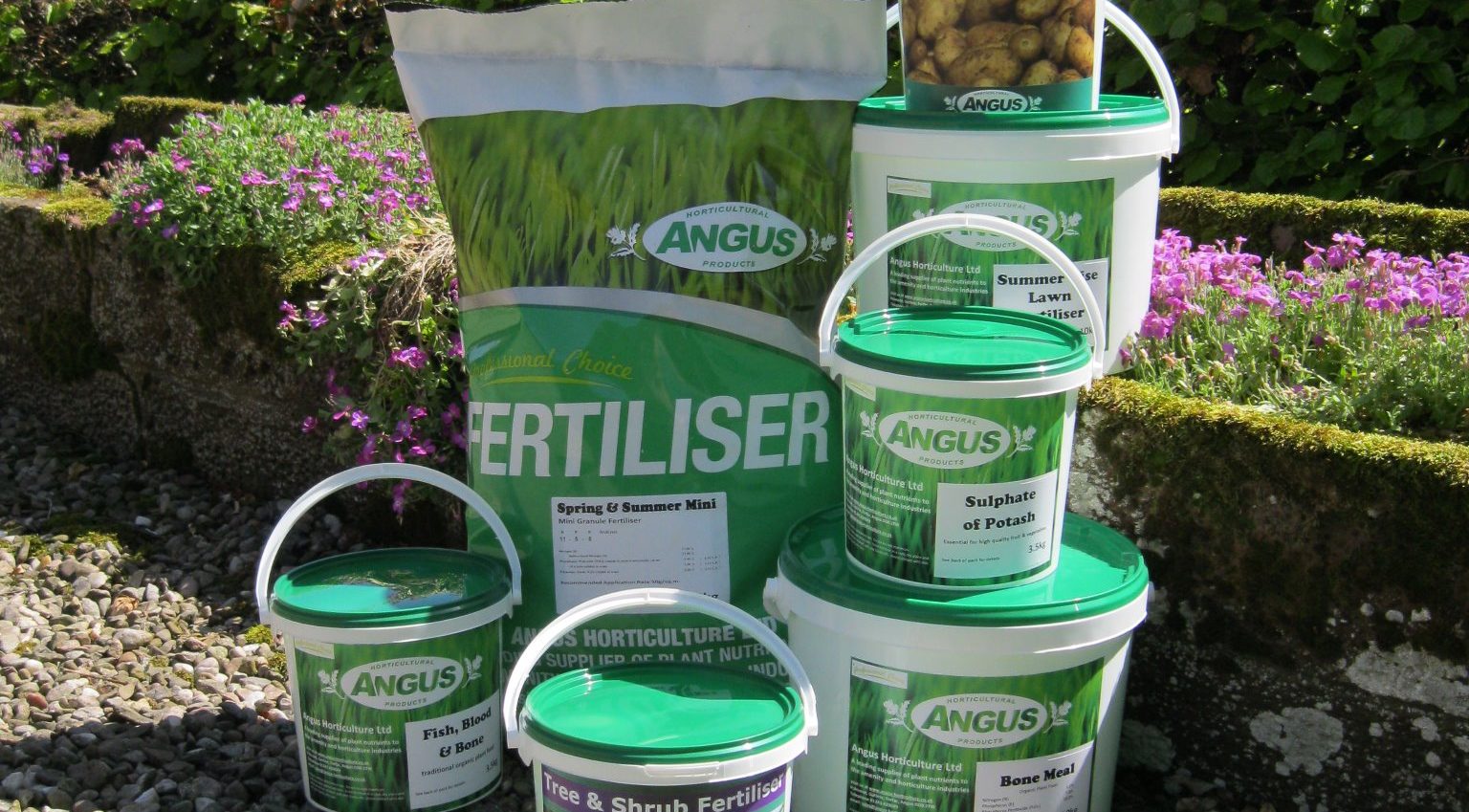
If you don’t have easy access to the beach, there is a good range of pre-prepared seaweed fertiliser on the market. You’ll find seaweed extract as one option, and this organic concentrated seaweed fertiliser is another good choice. For UK readers, we also stock the products I use myself in the Lawns For You shop: seaweed meal for soil improvement and dry patch work, and a turf care liquid fertiliser for feeding through the growing season.
Not sure which form suits your garden best? I’ve written a separate guide to help you choose: What Seaweed Fertiliser is Right For Your Garden.
If you would like advice for your own lawn rather than general guidance, I offer a personalised online lawn care plan, wherever you are, and lawn care services in person around Dumfries.
If you have any experience of using seaweed yourself, I’d love to hear about it. Please leave me a comment below letting me know what you think about seaweed for lawn and garden care.


Please would you be so kind as to inform me as to when to apply liquid seaweed to my lawn? Also I notice in your picture that you have used sulphate of ammonia with the seaweed.I apply sulphate of ammonia in liquid form. How much liquid seaweed should I add to it?
Kind regards
Allan.
Hi Allan, Seaweed can be applied at any time of the year but is most beneficial in Spring and Autumn when the grass is most active. Aeration immediately beforehand helps to make the most of the seaweed.
Hi Duncan, Just reading your article. I live in Ireland and am very fortunate to have a beach right beside me. I have planted potatoes and onions. I planted seaweed ontop of my seed potatoes and they are coming up lovely, but I am concerned about blight. I read in your article about seaweed preventing blight. Do I just cover the leaves completley in seaweed? and also do I need any other blight prevention along with the seaweed?
Loved your article.
Tina
I have an acre of garden near Campbeltown, West coast Scotland, and have used seaweed for more than half my life! I am 71. I collect it from the beaches when i can, and also from the fish farm. There it is separated from the sea water, before the water is circulated to the fish.
Many tons have been added to my clay soil, and the soil is more friable. One year my trailer was out of action, and some of those to whom i had given potatoes said they were not up to the usual superb taste!
My soil is still heavy clay, but that is because the white clay subsoil is being drawn up as the soil becomes easier to work! I have composted some that was surplus to immediate need, but just put it thick on the ground and let weather and worms do the work.
My rhubarb is now forcing its way up through the fresh seaweed mulch, and i must get round to covering it with light impermeable covers before the invertible frost cuts it back!
Most of my asparagus has died through root rot of some kind, probably because of the water logging of the trenches from the intervening heavy clay. I keep planting from seed in the hope of success!
Hope the above is of some interest to someone!
can fresh seaweed straight from the sea be spread on my lawn over winter to improve the grass.
thanks Gordon
It will improve the grass Gordon but the smell will be a bit fresh for a while. Much easier to compost the seaweed in layers with a good sand, then apply the compost when it is sufficiently broken down, or buy a ready made seaweed liquid product and apply on a regular basis.
Duncan.
Will any seaweed do ? Are there any to avoid ?
I live on the south west coast.
Ray
Hi Ray,
All seaweeds are excellent in the garden. You just need to avoid picking near sewage outfalls as it could be contaminated. Otherwise no problem. The kelps are better composted first as they don`t break down as quickly as other finer species, most of which can be dug in right away.
Duncan.
can you explain the process of making a concentrated seaweed extract. I have some seaweed and would like to extract all the goodness and nutrients out of the seaweed and have it in a liquid form
thanks
Hi Nik, thanks for getting in touch. The easiest way to get a liquid from the seaweed is to use a garden shredder to break up the material, then half fill a barrel with the shredded seaweed. Fill the barrel to the top with water, hot water will speed up the breakdown of the seaweed but cold will work fine.
Stir or shake the barrel every week for around three months minimum, then strain off the liquid which will by that time be ready for use on your plants or lawn. The longer you leave the seaweed in the barrel, the more nutrients will be extracted. Application rates for the liquid will vary depending on the strength, so some experimentation will be required to get the best results. Do not discard the remaining remaining seaweed after straining, as this can be used as a very useful addition to the compost heap, or for mulching around plants.
Duncan.
Thanks for your advice. I don’t have a shredder but found my mower used at a tilt on small piles of seaweed reduced it to c1cm pieces in a few passes. These were thinly spread and were taken into the lawn in a few weeks. The slimy nature of the seaweed seems to be improving the water retention of my sandy seaside soil. The thick ropey stems of the seaweed get left behind by the mower but are easily raked up and popped into the compost. I did the same to autumn leaves and am getting a definite improvement. Seaweed is great!
Hi,
I was wondering how often liquid sea weed should be applied to lawn?
Weekly, monthly, daily?
Is it a case of the more the merrier?
Hi Rob, seaweed liquid comes in many strengths, but on average it should be applied every four to six weeks over the growing season.
Cheers,
Duncan.
I have just applied Maxicrop Concentrated liquid seaweed to my lawn. The dosage used was 5 tablespoons to a gallon of water and I used 5 gallons to 85 sq metres of grass area. My question is what would be the reaction if I have over-dosed this lawn area? The grass appears to be patchy. In September of last year I over-seeded and the lawn was looking good. Your advice would be appreciated.
Hi Stan, thanks for the enquiry. I have used seaweed for over forty years, in many different forms, and have never seen any evidence that over dosing causes any problems. The amount you used should certainly not result in any damage to the grass.
It sounds to me that you may have a problem with leather jackets, the grub of the cranefly, or possibly some environmental damage over the Winter. It has been a very slow growing Spring, so some Nitrogen and iron fertiliser should be applied to get the grass growing now that the soil is warming up.
I hope this helps you,
Duncan.
Very informative article, and lots of good advice in the replies to comments. I live by the coast (Indian Ocean, Australia) and have easy access to tons of seaweed. Have always been a bit reluctant to use it but the advice here has given me the confidence to collect some and start applying it. Thanks Duncan.
What rate should I apply seaweed granules to a lawn?
Hi Keith, if hollow coring beforehand then 70 gram per sq mtr. If not holow coring, 35 gram is sufficient. Always good to scarify first, before applying seaweed. Cheers, Duncan.
hi Duncan
i am an amiteure green keeper and have over the past two years applied liquid seaweed to the bowling green.
this year after aplying it the green looked fantastic within a very short time.
one thing you might be able to help with, the green has been around for over a hundred years and when we began to look after it the grass seemed to have very little root, will seeweed help root formation
Hi Terry, seaweed will help a lot, but is only a part of a good maintenance program. Aeration is the key to good root growth and healthy soil, spiking, slicing, to different depths, is essential. Every four to six weeks can easily be acheived. Good luck.