How light is essential for a green lawn
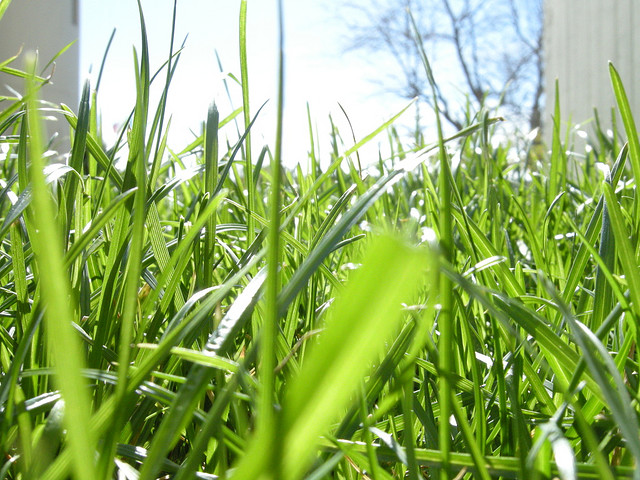
Light from the sun is the life force that enables grass to grow by converting radiant energy to chemical energy through the process of photosynthesis, resulting in the green colouration. Although the natural daylight through the seasons cannot be controlled, it is important to ensure the lawn can make the best possible use of what light is available.
Shade from trees, hedges, walls, and buildings is the major problem in this respect. When constructing a new lawn it should always be placed in least shaded areas of the garden, preferably facing south, but otherwise it is a case of maximising light penetration by pruning of trees, and keeping hedges at a controllable height. Any tree planting around the lawn should also be given careful consideration as height, foliage density and root spread will be big factors in future years.
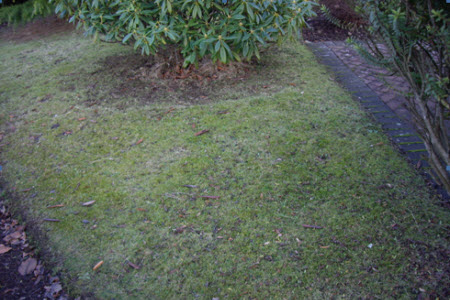
Image 1 Credit: HummyHummy